


Sri Lankan Wedding Traditions: A Guide for Couples Planning a Poruwa Wedding

Planning a Sri Lankan wedding means bringing together family, faith, regional customs and the couple’s own story. From the poruwa ceremony to the saree or national dress, each choice can make the day feel deeply personal. This guide explains familiar traditions and practical ways to plan a celebration that feels respectful, joyful and unmistakably yours.
One thing first: every family does it a little differently. Details change between Kandyan and low-country traditions, and from one household to the next. Use this as a starting point, then ask your elders and officiant what your family does.
What is a poruwa ceremony?
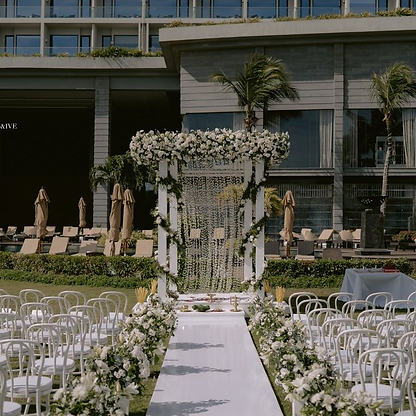
The poruwa is a decorated platform where the couple's marriage rituals take place. It's often dressed with flowers, coconut leaves and lamps. Today's ceremony blends upcountry and low-country customs. Some families also scatter rice, coins and betel leaves on it as symbols of prosperity.
Timing matters too. Many families ask an astrologer for the nekath, the auspicious time, for each part of the day. Plan the rest of your schedule around it.
What happens at the poruwa
Every Poruwa ceremony is different, depending on family traditions and the couple’s preferences. The following is an example of how a ceremony can be organised, from the entrances to the final family blessings.
1. Groom’s Entrance
The groom enters with his mother and father, followed by the groomsmen and close family members.
The bride’s parents welcome the groom and his party at the entrance.
The groom and his party proceed towards the Poruwa.
2. Bride’s Entrance
The bride enters holding her father’s right hand.
3. Lighting of the Traditional Oil Lamps
Both sets of parents light the oil lamps placed on either side of the Poruwa.
4. The Couple Steps onto the Poruwa
Both fathers assist the couple onto the Poruwa.
The couple steps onto the platform with their right feet first.
5. Poruwa Rituals and Blessings
The rituals are conducted in the following order.
Offering Betel Leaves to the Gods: Betel leaves are reserved as a traditional offering.
Remembering Ancestors and Honouring Each Other: The couple turn to face each other and exchange Ayubowan as a gesture of respect.
Exchange of Rings: The groom places the ring on the bride’s left ring finger, and the bride places the ring on the groom’s right ring finger.
Gifting the Necklace: The groom places a necklace on the bride.
Symbolic Saree Presentation: The groom symbolically dresses the bride with a saree.
Traditional Marriage Ritual: The couple’s pinky fingers are joined with thread, followed by the pouring of holy water. Both fathers assist with the ritual.
Jayamangala Gatha Blessings: The traditional blessings are recited, after which the groom presents envelopes to the girls participating in the ceremony.
Sharing Kiribath and Milk: The bride and groom feed milk rice and milk to each other.
Blessings and Gifts for Parents:
The groom presents a special offering to the bride’s mother and pays his respects to her.
Gifts and betel leaves are presented to the bride’s father.
Gifts and betel leaves are presented to the groom’s mother and father.
Blessings from Relatives: Family members offer their blessings to the couple.
6. Stepping Down from the Poruwa
Both mothers assist the couple as they step down from the Poruwa.
7. Coconut Breaking
A senior male family member performs the traditional coconut-breaking ritual.
8. Lighting the Traditional Oil Lamp with Family
The couple, their families and the wedding retinue gather around the traditional oil lamp for the final lighting ceremony.
Planning tip: Confirm the ritual sequence, participants and ceremonial items with your Poruwa officiant and both families well in advance. This helps ensure everyone understands their role and the ceremony runs according to the agreed timeline.

Is the poruwa for everyone?
Many couples ask this, so here's a simple answer. The poruwa grew out of Sinhala culture, and most couples who choose it are from Sinhala families. But people from other backgrounds can take part, and many do. A few things make it feel right for everyone:
Learn what each step means before the day, so you can take part sincerely.
Talk to your officiant and elders. They can tell you how to do it properly and how to honour the customs.
Adapt with care. If something doesn't fit your beliefs, say so kindly and ask what can be changed.
Explain it to your guests. A short program helps everyone follow along and feel included.
Don't forget the legal part
A poruwa ceremony is a cultural ritual. It isn't the same as legal registration. Historically the poruwa counted as a valid marriage until the British introduced marriage registration by law in 1870. Today you also need to register your marriage.
For a general marriage, 14 days must pass after the Notice of Marriage is handed to the Registrar.
Allow extra time if one of you isn't a Sri Lankan citizen.
Check the current rules with the Registrar General's Department.
What to wear
Many brides choose an osariya or Kandyan saree, and many grooms choose a mul anduma. Others choose a different style, and that's fine.
Think about how it will feel on the day:
Comfort. You'll be on your feet for a while in Sri Lanka's warmth.
Movement. Can you step up onto a platform and bend to greet elders?
Time. Draping a saree and dressing the bride take longer than you'd expect. Allow for it.
Ask relatives about meaningful colours and heirlooms. A grandmother's necklace can matter more than any designer piece.

Planning a poruwa wedding: a simple checklist
A traditional Sri Lankan Poruwa ceremony involves a number of meaningful rituals, each with its own customs and preparations. Alongside the wedding attire and venue, couples need to organise ceremonial offerings, traditional food, family gifts and the items required for the Poruwa itself.
Use this checklist to help prepare for your wedding day.
1. Bridal Attire and Jewellery
Bridal saree, including the traditional red saree if required by your family customs
Bridal jacket or blouse
Traditional bridal jewellery set
Nalalpata and other traditional ornaments, if applicable
Earrings, necklaces, bangles and rings
Hair accessories and bridal footwear
Hair and makeup appointments
Saree draping arrangements
Outfit for the reception or second look
2. Poruwa Ceremony Items
Confirm the required items with your Poruwa ceremony officiant before purchasing them.
Betel leaves for the traditional rituals
Traditional oil lamp
Ceremonial water vessel
Blessed thread for the finger-tying ritual
Bowl or vessel to collect the water used during the ritual
Flowers and ceremonial trays
Any additional ritual items specified by the officiant
3. Traditional Food and Offerings
Kiribath (milk rice) prepared for the relevant ceremony ritual
Confirm the arrangement for the bride’s mother to present the kiribath
A glass of milk for the groom’s mother to offer to the couple, according to the family’s custom
Traditional accompaniments, if required
Optional Shashrika table arrangement
4. Gifts for Parents and Family
Discuss the family gifting customs in advance, as these may differ between households.
Gifts for the bride’s mother and father
Gifts for the groom’s mother and father
Gifts for other close family members, if required
Gift boxes, wrapping and presentation trays
Assign someone to manage and distribute the gifts
5. Poruwa Ceremony Participants
Confirm who will escort the bride and groom onto the Poruwa
Coordinate the roles of fathers or elder relatives, according to family custom
Confirm the Poruwa ceremony officiant
Arrange the Jayamangala Gatha singers, if required
Confirm who will lead or announce the ceremony rituals
Share the ceremony sequence with all participants
Ensure everyone knows where to stand and when to participate
6. Venue and Décor
Confirm the Poruwa setup and ceremony location
Arrange flowers and traditional decorations
Confirm guest seating and reserved family seating
Arrange the oil lamp display and any additional ceremonial tables
Check sound equipment and microphones
Ensure the ceremony area is accessible for elderly family members
Arrange a weather backup plan for outdoor ceremonies
Complete a final venue walkthrough
7. Photography and Videography
Share the Poruwa ritual sequence with the photographer and videographer
Prepare a family photograph list
Identify key moments, including the couple entering the Poruwa
Capture the betel leaf ritual and the blessed thread ceremony
Coordinate photographs of the kiribath and milk offerings
Allow time for family portraits after the ceremony
8. Final Wedding Day Check
Confirm all ceremonial items are ready and arranged in order
Check the bride’s saree, jewellery and accessories
Ensure kiribath and milk are ready at the required time
Check that all family gifts are labelled and accounted for
Confirm the arrival of ceremony participants and vendors
Share the final timeline with both families
Assign a planner or family representative to oversee the ceremony items

Make the celebration yours
Tradition means the most when it reflects the people being celebrated. You can keep the rituals that matter most and still choose a modern venue, your own playlist, a smaller guest list or a schedule that suits your families. Keep talking, explain your choices kindly, and leave room for the moments you'll want to remember.
Frequently asked questions
Do you have to be Buddhist to have a poruwa ceremony?No. The poruwa is a Sinhala cultural tradition. Most couples who choose it are Buddhist, but people from other backgrounds can take part if they do so with respect. Talk to your officiant and elders first.
Do all Sri Lankan weddings include a poruwa ceremony?No. Customs depend on the couple's culture, faith and family choices.
Is the poruwa ceremony legally binding?Not on its own today. You still need to register your marriage with the Registrar.
When should we talk about wedding customs?As early as you can, especially when an officiant, a venue setup or family members need to be arranged.
What should guests wear?Follow the guidance on the invitation. If you're unsure, ask the hosts what's expected for the ceremony and the venue.

Planning a poruwa wedding? Cherish Luxury Weddings can help you bring your ideas, traditions and practical details together into a celebration that feels like you. Get in touch to discuss your plans.


Comments